Claude Fable 5.2 just dropped
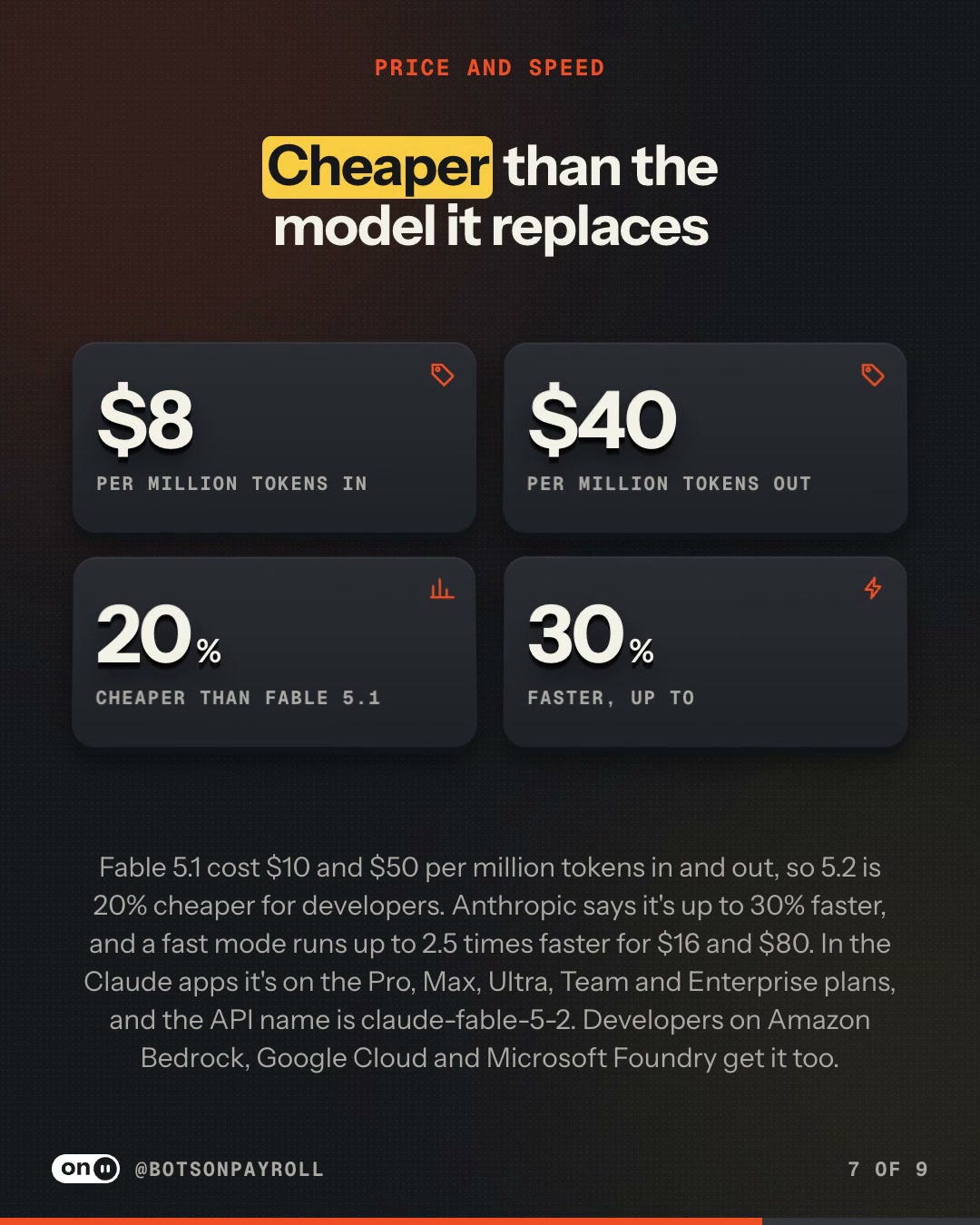
Anthropic released Claude Fable 5.2 on Nov 9, and it costs 20% less than Fable 5.1: $8 per million tokens in and $40 out, with Anthropic saying it runs up to 30% faster. In Anthropic's demos it designed a working voice assistant hub from one paragraph, ran teams of more than 1,000 Claude helpers, and topped the FrontierCode 2.0 coding test at its highest effort setting, ahead of Opus 5.5, GPT-6 Astra and Gemini 4 Carbon. Anthropic also says its research model solved two open black hole problems; those preprints aren't peer reviewed yet. Mythos 5.2, its twin with looser safeguards, stays limited to vetted groups.
By Bots on Payroll, with 10 sources below

The short version
- Fable 5.2 and Mythos 5.2 price: $8 per million input, $40 per million output (batch half: $4/$20; cache read $0.20)
- Previous model Fable 5.1 cost $10/$50, so $8/$40 is exactly 20% lower
- CNBC: Anthropic says the models cost 20% less than the 5.1 generation and generate output 30% faster
Watch the video
0:56, sound onFrom a paragraph to a working gadget
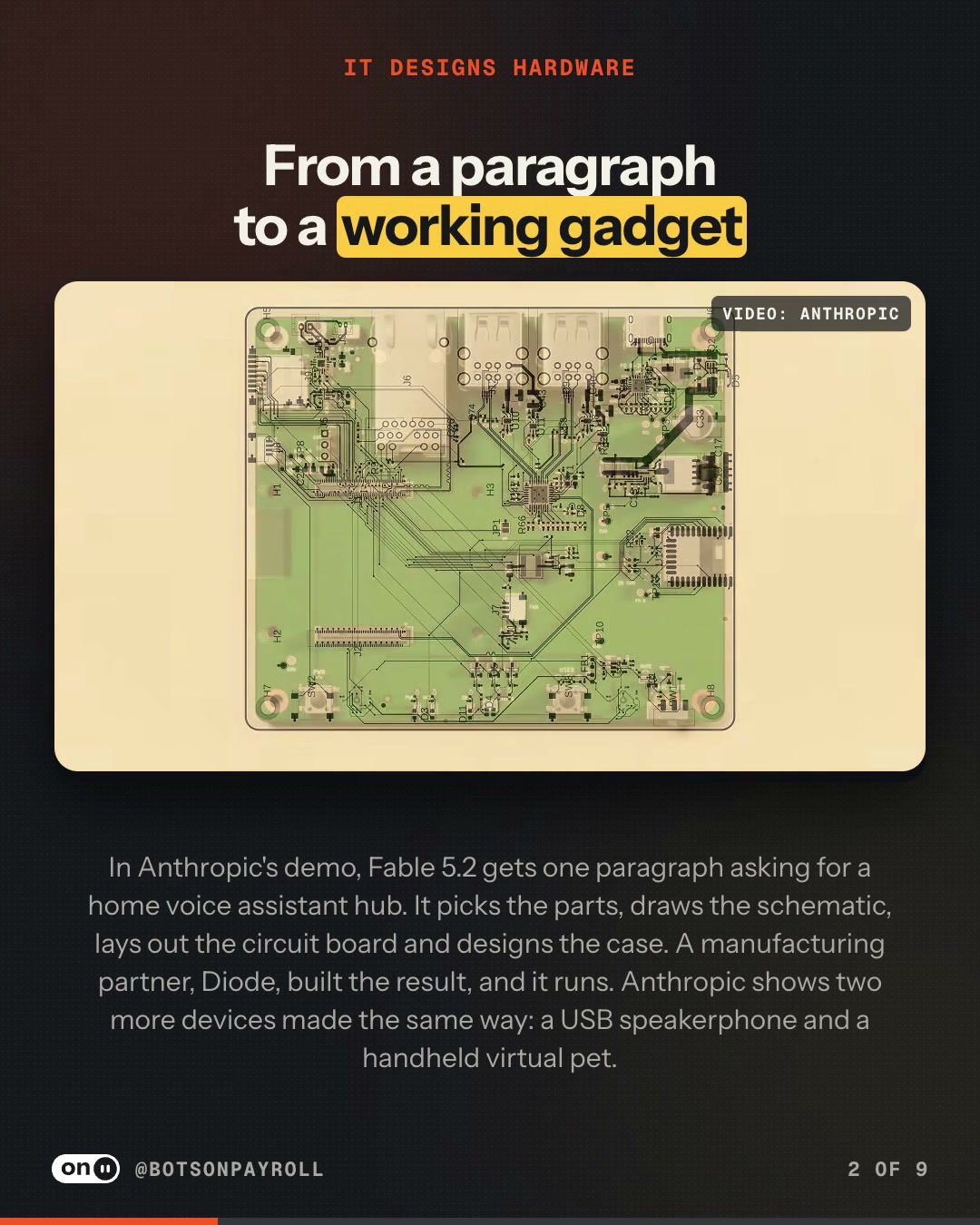
In Anthropic's demo, Fable 5.2 gets one paragraph asking for a home voice assistant hub. It picks the parts, draws the schematic, lays out the circuit board and designs the case. A manufacturing partner, Diode, built the result, and it runs. Anthropic shows two more devices made the same way: a USB speakerphone and a handheld virtual pet.
Over 1,000 helpers on one job
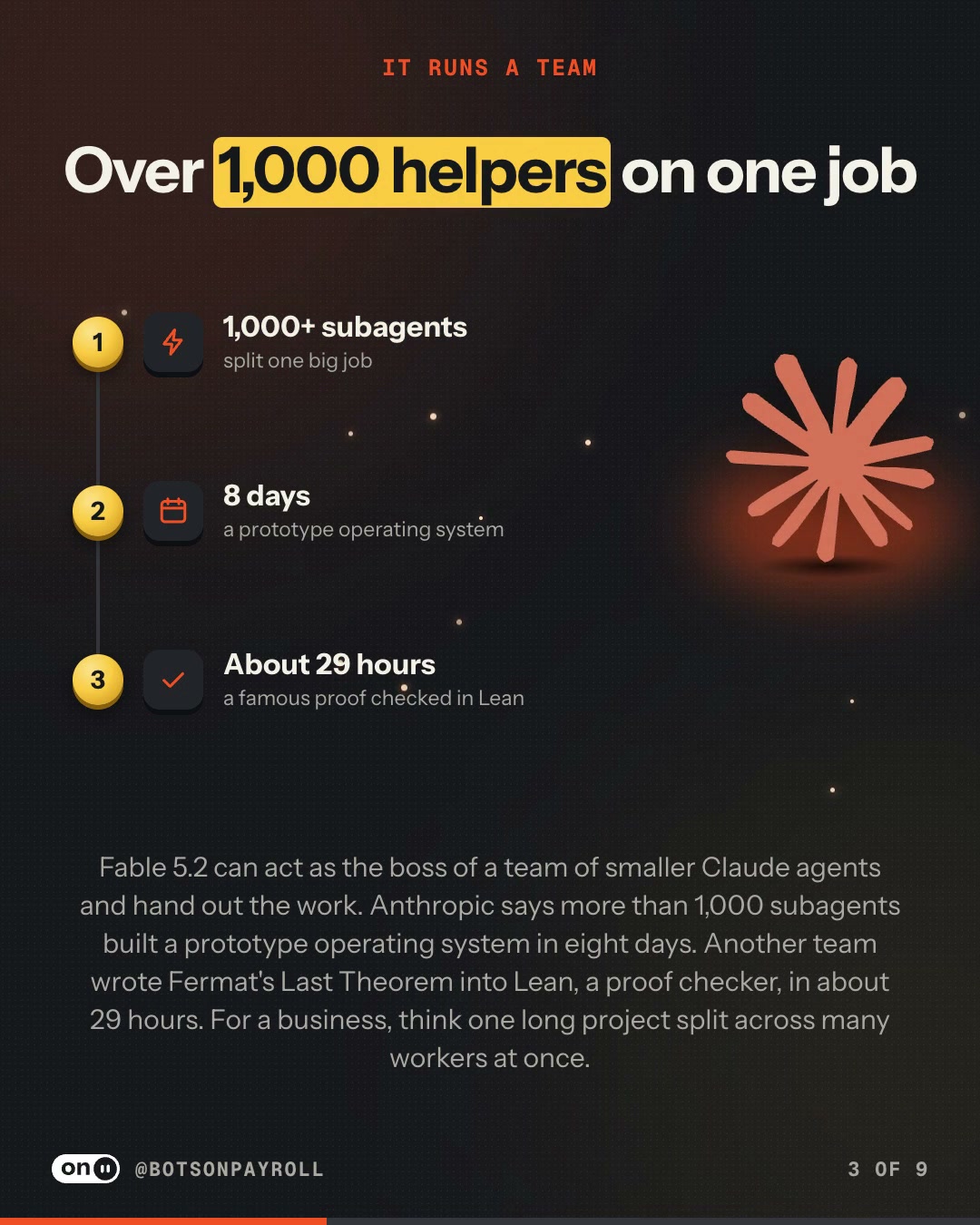
Fable 5.2 can act as the boss of a team of smaller Claude agents and hand out the work. Anthropic says more than 1,000 subagents built a prototype operating system in eight days. Another team wrote Fermat's Last Theorem into Lean, a proof checker, in about 29 hours. For a business, think one long project split across many workers at once.
It beat Opus, GPT and Gemini
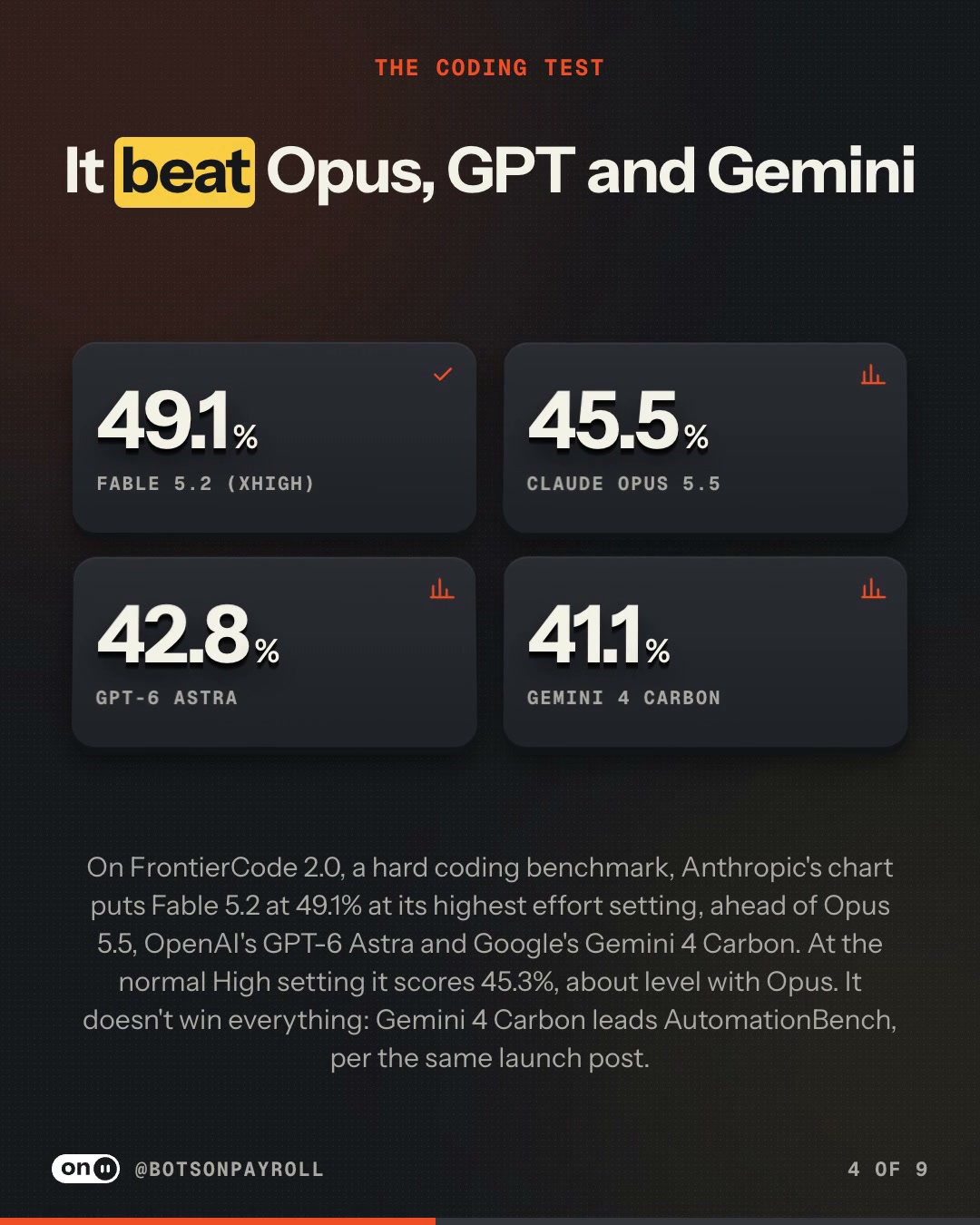
On FrontierCode 2.0, a hard coding benchmark, Anthropic's chart puts Fable 5.2 at 49.1% at its highest effort setting, ahead of Opus 5.5, OpenAI's GPT-6 Astra and Google's Gemini 4 Carbon. At the normal High setting it scores 45.3%, about level with Opus. It doesn't win everything: Gemini 4 Carbon leads AutomationBench, per the same launch post.
Predicting a gene therapy's shell
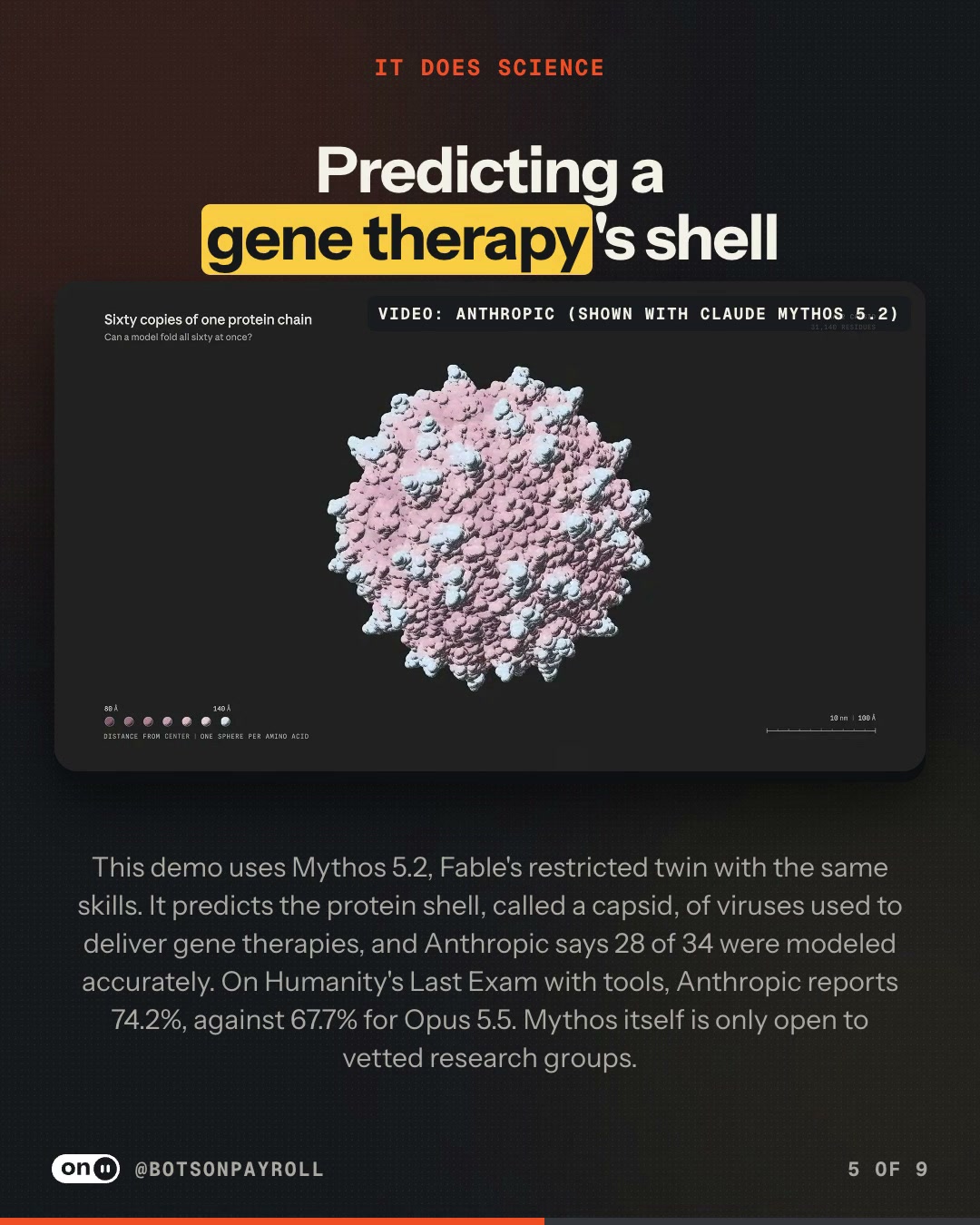
This demo uses Mythos 5.2, Fable's restricted twin with the same skills. It predicts the protein shell, called a capsid, of viruses used to deliver gene therapies, and Anthropic says 28 of 34 were modeled accurately. On Humanity's Last Exam with tools, Anthropic reports 74.2%, against 67.7% for Opus 5.5. Mythos itself is only open to vetted research groups.
Two open black hole problems
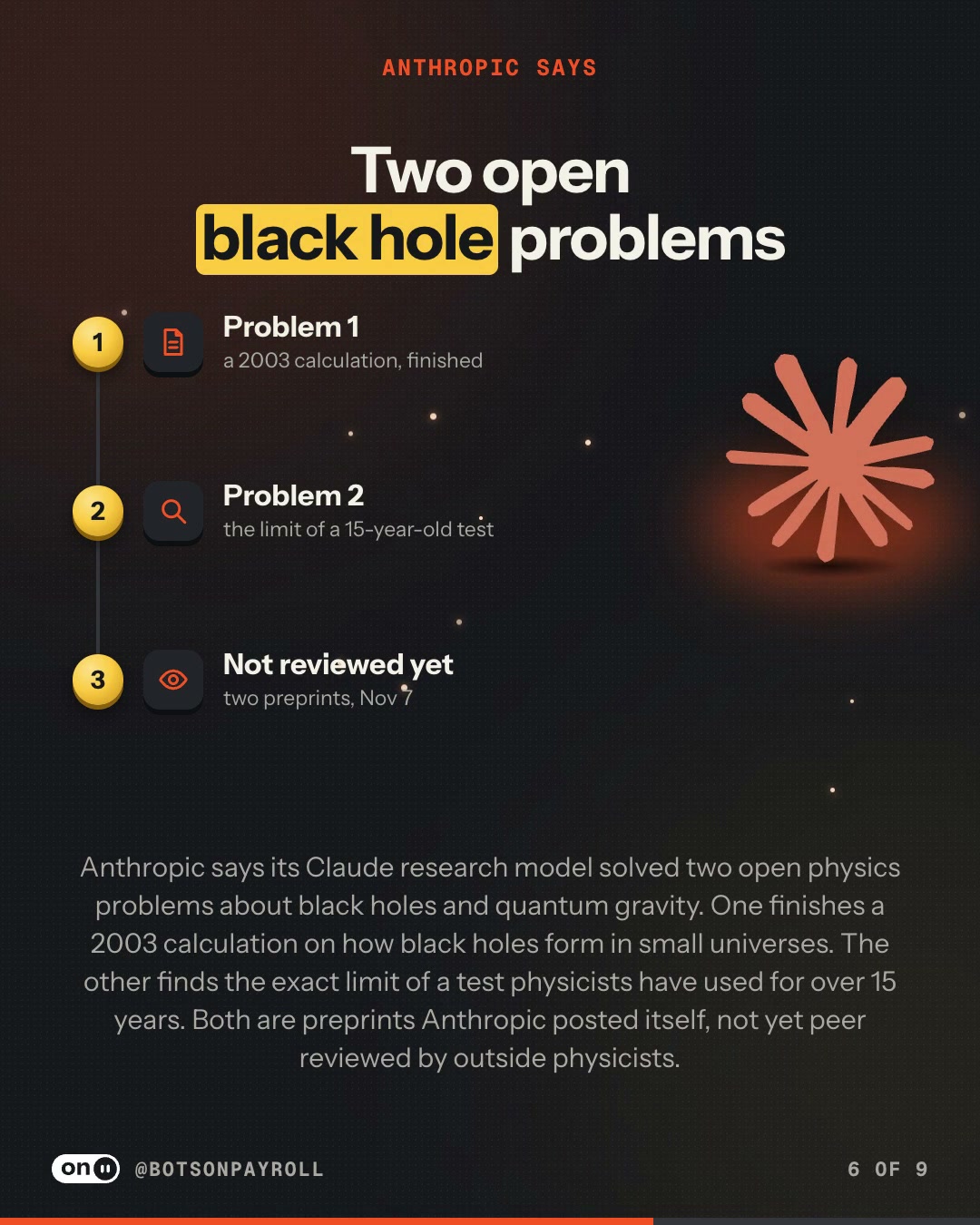
Anthropic says its Claude research model solved two open physics problems about black holes and quantum gravity. One finishes a 2003 calculation on how black holes form in small universes. The other finds the exact limit of a test physicists have used for over 15 years. Both are preprints Anthropic posted itself, not yet peer reviewed by outside physicists.
Cheaper than the model it replaces
Fable 5.1 cost $10 and $50 per million tokens in and out, so 5.2 is 20% cheaper for developers. Anthropic says it's up to 30% faster, and a fast mode runs up to 2.5 times faster for $16 and $80. In the Claude apps it's on the Pro, Max, Ultra, Team and Enterprise plans, and the API name is claude-fable-5-2. Developers on Amazon Bedrock, Google Cloud and Microsoft Foundry get it too.
Mythos 5.2 stays restricted
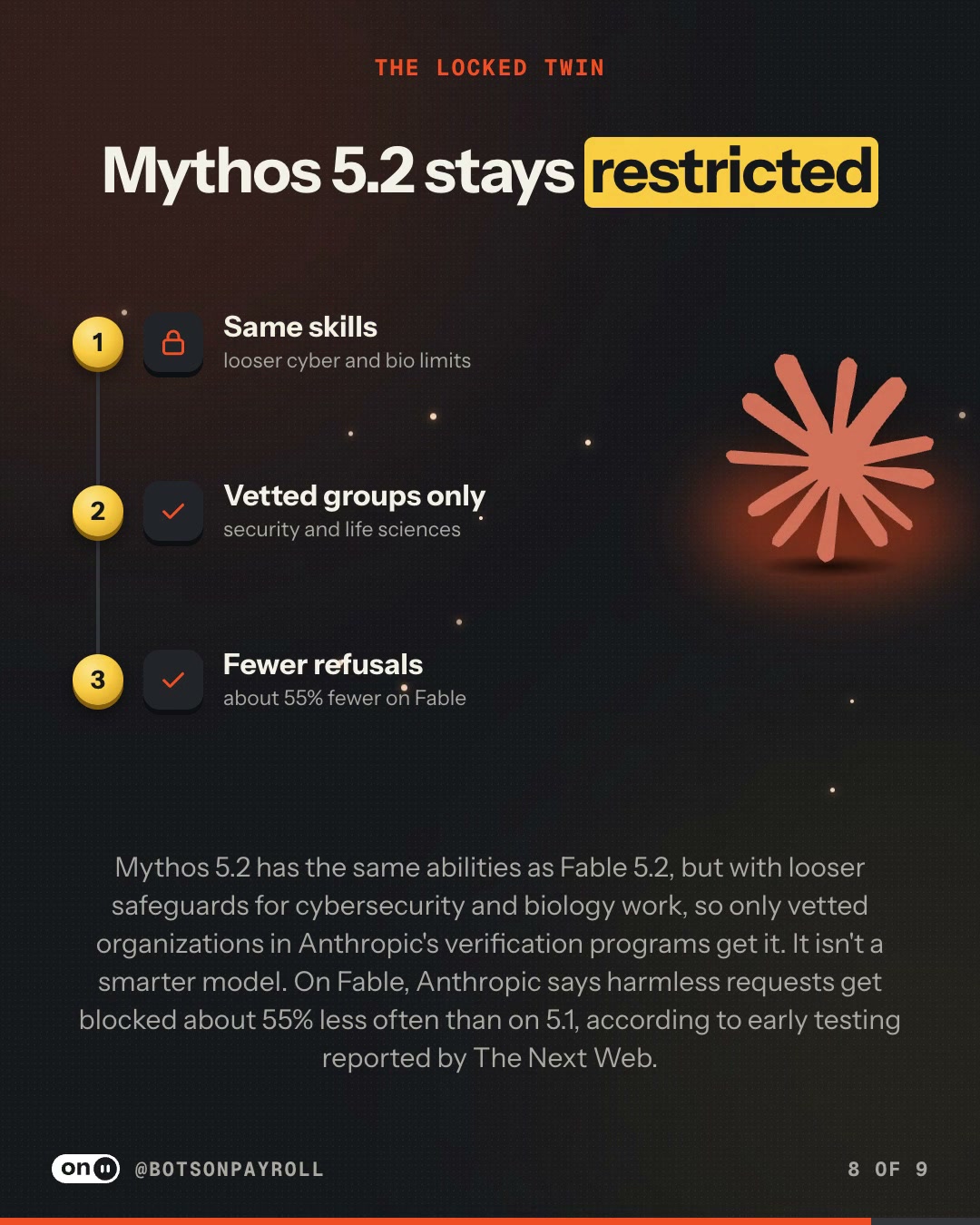
Mythos 5.2 has the same abilities as Fable 5.2, but with looser safeguards for cybersecurity and biology work, so only vetted organizations in Anthropic's verification programs get it. It isn't a smarter model. On Fable, Anthropic says harmless requests get blocked about 55% less often than on 5.1, according to early testing reported by The Next Web.
Swipe the post


Sources
More AI news

Spent your weekend on sale posts? One photo could have made all of them.
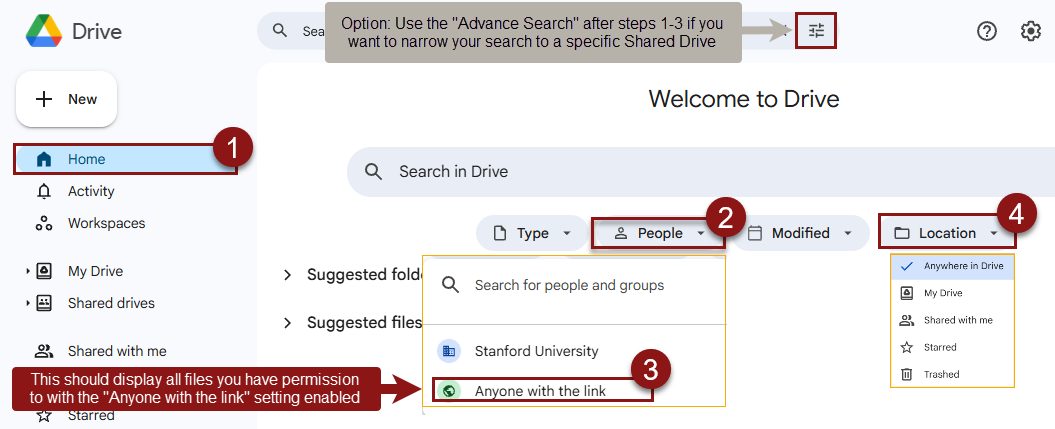
Your pay stub link still opens. Here's how to lock it.