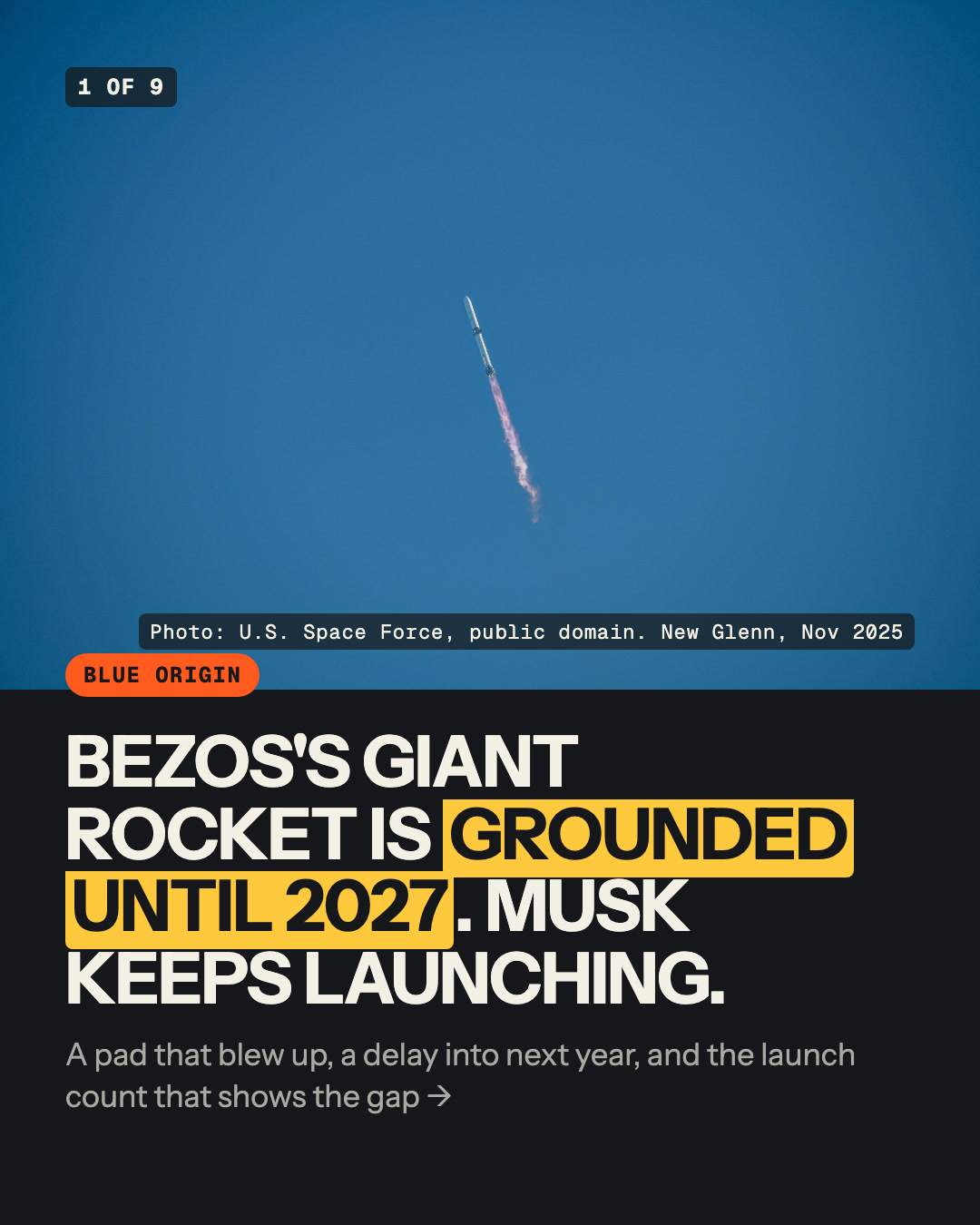
Jeff Bezos's giant rocket is grounded until 2027, while Musk keeps launching
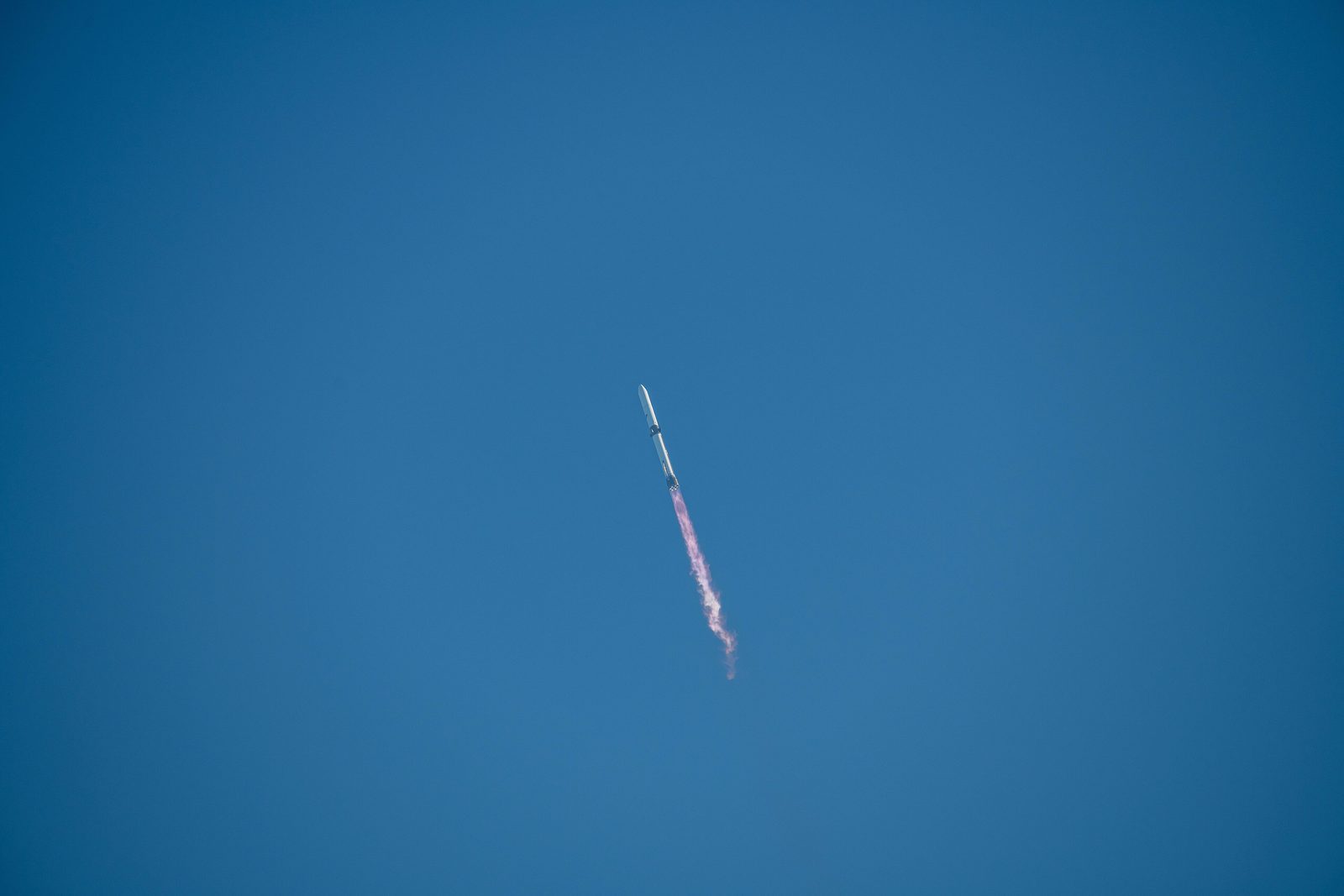
New Glenn's return to flight slipped to January 2027; SpaceX flew 124 times this year.
By Bots on Payroll, with 10 sources below
The short version
- Blue Origin pushed New Glenn's return to flight to January 2027 after its only pad exploded in May.
- CEO Dave Limp called it a small adjustment.
- SpaceX had 124 orbital launches in 2026 as of Nov 2; Blue Origin had one.
Watch the video
0:51, sound on"Like a nuclear bomb went off"
On May 28, a New Glenn rocket exploded during a hot-fire test at Cape Canaveral and badly damaged Launch Complex 36. That was Blue Origin's only pad for New Glenn, and it cost more than $1 billion to build, FOX 26 reports. The rocket was due to launch 48 of Amazon's internet satellites a few days later.
No flight until January
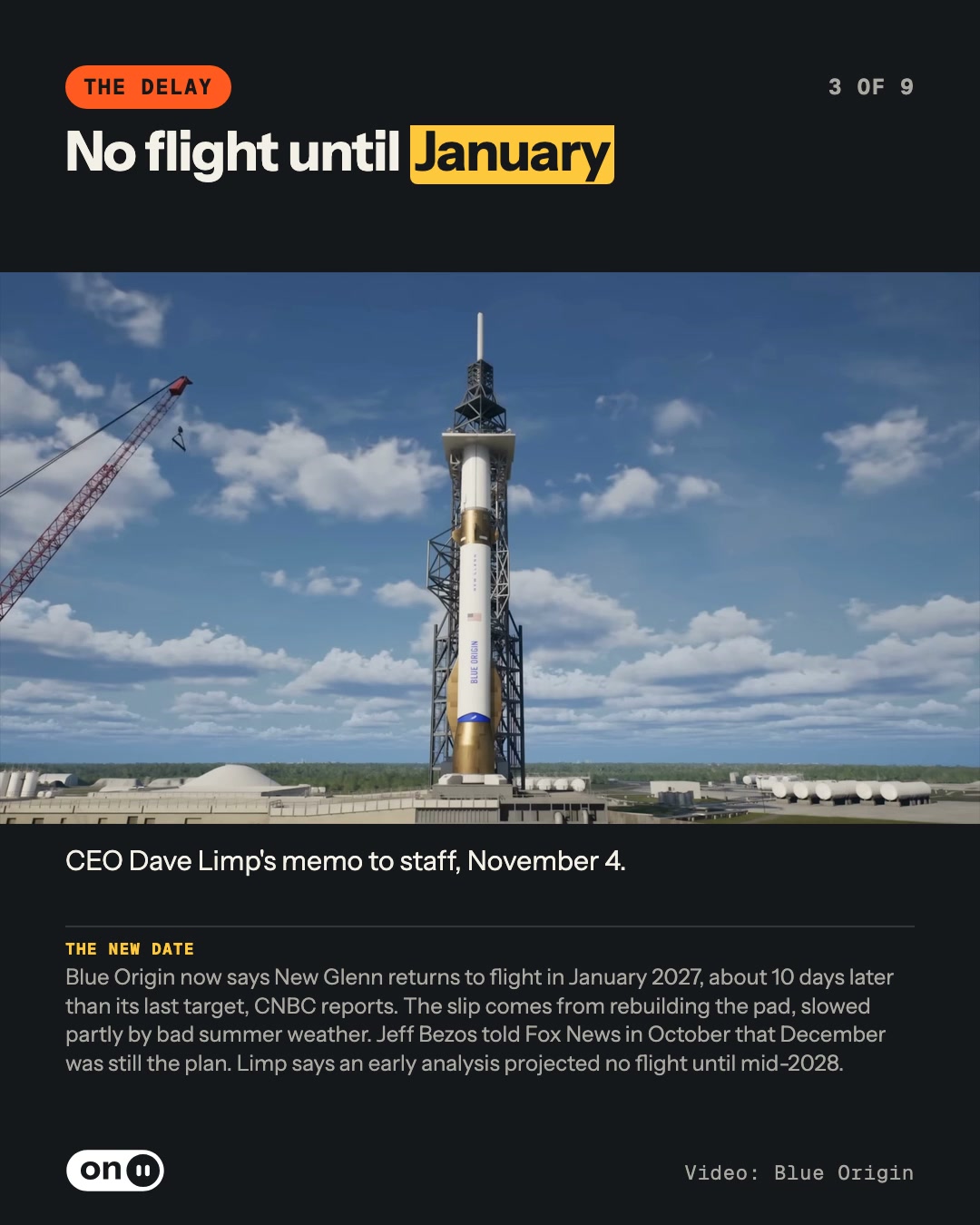
Blue Origin now says New Glenn returns to flight in January 2027, about 10 days later than its last target, CNBC reports. The slip comes from rebuilding the pad, slowed partly by bad summer weather. Jeff Bezos told Fox News in October that December was still the plan. Limp says an early analysis projected no flight until mid-2028.
"A small adjustment"
In his memo, Limp wrote: This small adjustment doesn't diminish what we've accomplished or the importance of the work still ahead. He added that returning New Glenn to flight remains the top priority. The day after the blast, NASA Administrator Jared Isaacman joined Limp and Bezos at a Blue Origin all-hands meeting, in this NASA photo.
124 launches to 1
Elon Musk's SpaceX had flown 124 orbital launches in 2026 as of November 2, the most of any provider, per the tracker Orbital Radar. Blue Origin has flown New Glenn once this year, on April 19. That flight landed its booster for reuse, but an upper stage engine underperformed and left a customer's satellite in the wrong orbit.
Satellite internet and a Moon lander
Amazon's Leo satellite internet relies partly on Blue Origin, and with New Glenn grounded it has leaned on ULA and Arianespace, CNBC reports. Blue Origin also holds NASA Artemis work, including a Moon lander, and a first lunar customer mission set for 2028. So the delay can slow the internet service and the Moon race alike.
A new engine, a cheaper goal
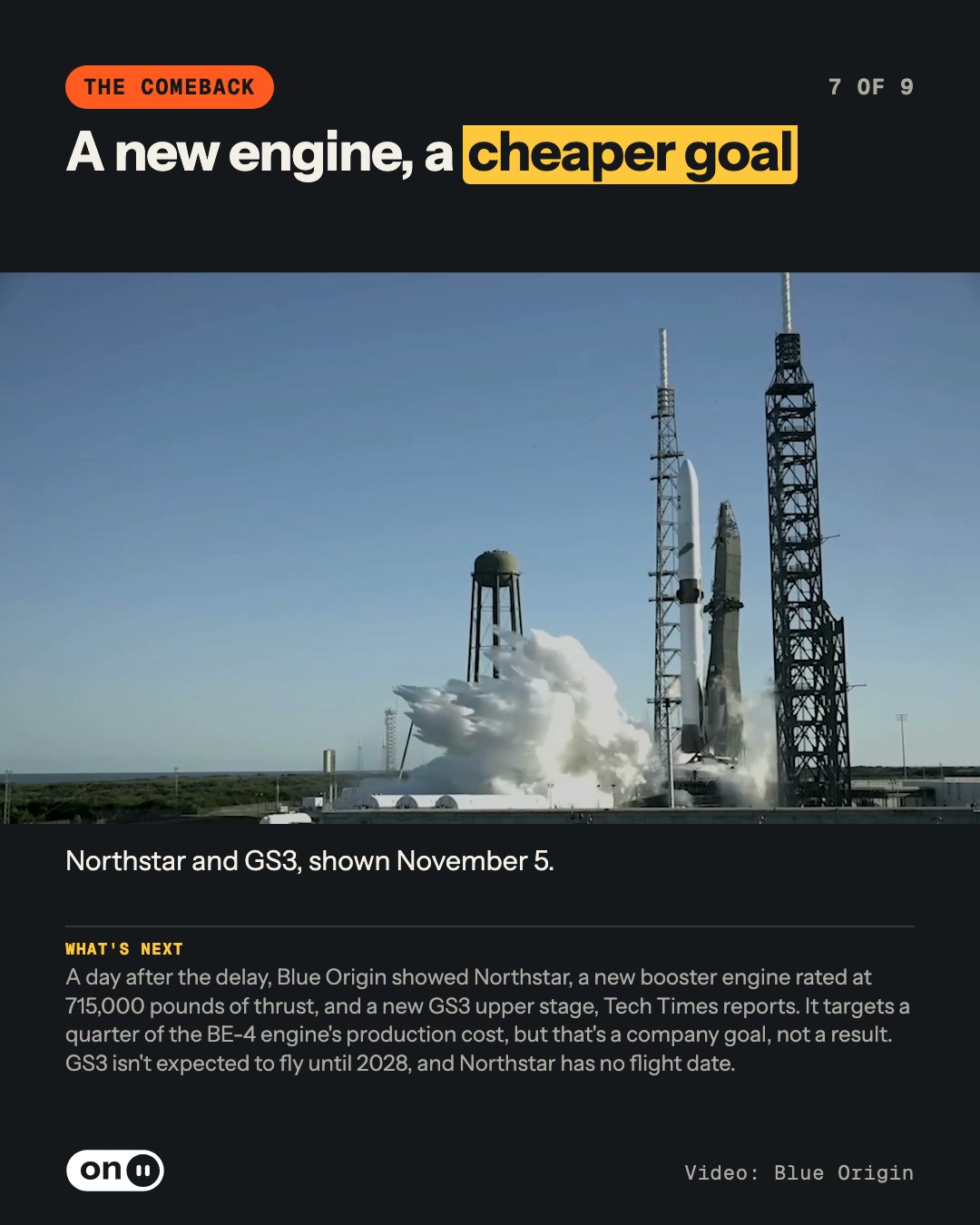
A day after the delay, Blue Origin showed Northstar, a new booster engine rated at 715,000 pounds of thrust, and a new GS3 upper stage, Tech Times reports. It targets a quarter of the BE-4 engine's production cost, but that's a company goal, not a result. GS3 isn't expected to fly until 2028, and Northstar has no flight date.
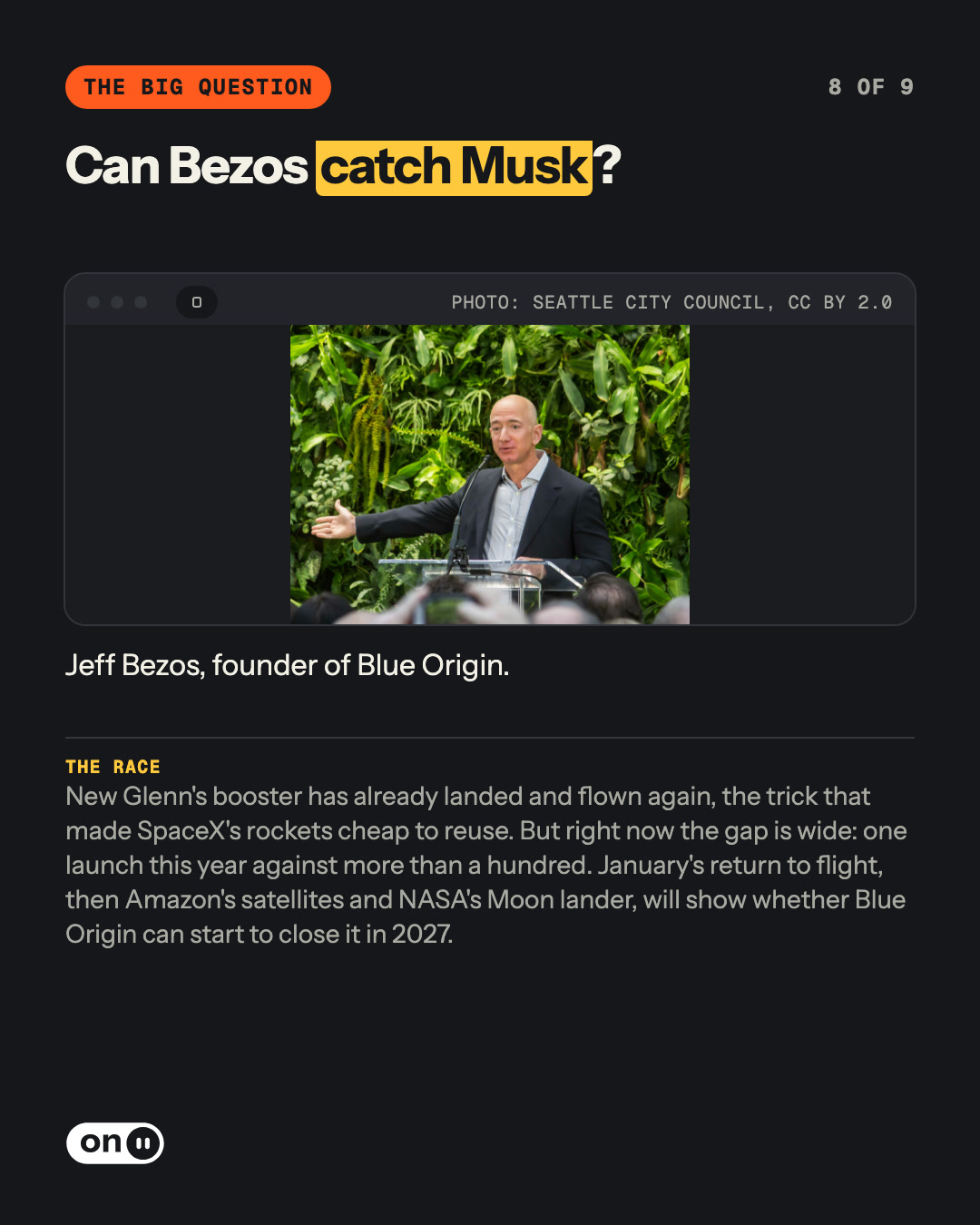
Can Bezos catch Musk?
New Glenn's booster has already landed and flown again, the trick that made SpaceX's rockets cheap to reuse. But right now the gap is wide: one launch this year against more than a hundred. January's return to flight, then Amazon's satellites and NASA's Moon lander, will show whether Blue Origin can start to close it in 2027.
Swipe the post





Sources

More AI news

Spent your weekend on sale posts? One photo could have made all of them.
Your pay stub link still opens. Here's how to lock it.